






Embarking on your first consultation with a new healthcare provider can be both exciting and nerve-wracking. Whether it’s for routine health check-ups, dental visits, or specialist consultations, being well-prepared can make a significant difference in the quality of care you receive. This comprehensive guide will walk you through everything you need to know to make your first consultation smooth and productive.
Understanding what to expect during this initial meeting can help ease any anxiety you might have. By the end of this guide, you’ll be equipped with all the necessary information and tips to ensure that your healthcare experience is as beneficial as possible.
Gathering Your Medical History and Records
Your medical history is a crucial component of the consultation process. It provides your healthcare provider with essential insights into your past health issues, treatments, and medications. Before your appointment, take some time to collect and review your medical records.
If you don’t have physical copies, contact your previous doctors or medical facilities to obtain them. Many facilities now offer online access to these records, making it easier than ever to retrieve the information you need. Remember to include details about any surgeries, chronic conditions, and allergies you have.
Why Your Medical History Matters
Having a comprehensive medical history allows your healthcare provider to make informed decisions regarding your care. It helps them identify patterns, understand potential risks, and tailor their advice to your specific needs. For example, if you have a family history of diabetes, your provider might recommend more frequent monitoring of your blood sugar levels.
Moreover, knowing your medication history, including any supplements or over-the-counter drugs, can prevent harmful drug interactions. This is especially important if you are seeing a specialist who might not have access to your complete medical records.
Understanding Your Health Insurance Benefits
Health insurance can be complex, with various plans offering different levels of coverage. Before your consultation, familiarize yourself with your plan’s specifics to avoid unexpected expenses. Check if the provider you’re visiting is in-network, as this can significantly affect your out-of-pocket costs.

Contact your insurance company if you have any questions about coverage. Understanding terms like copayments, deductibles, and out-of-pocket maximums will give you a clearer picture of what your financial responsibilities might be. This knowledge can empower you to make informed decisions about your healthcare.
Preparing for Potential Costs
Even with insurance, there may still be costs associated with your visit. It’s wise to inquire about any additional fees for services that might not be fully covered. Procedures like blood tests, imaging, or specialist referrals could incur extra charges.
Some providers offer payment plans or financial assistance for those who need it. Don’t hesitate to discuss payment options with your healthcare provider or their billing department to explore what arrangements can be made.
Compiling a List of Questions and Concerns
One of the most effective ways to ensure a successful consultation is by preparing a list of questions and concerns to discuss with your healthcare provider. This list can serve as a guide during the appointment, ensuring all your issues are addressed.
Think about any symptoms you’ve experienced, changes in your health, or concerns about medications. Writing these down in advance can prevent you from forgetting to mention something important during the consultation.
Effective Communication Techniques
Clear communication with your healthcare provider is crucial for receiving the best care possible. Be honest and open about your symptoms and lifestyle habits, even if they might seem embarrassing. Remember, your provider is there to help, not judge.
If you don’t understand something your provider says, ask for clarification. It’s vital that you leave the appointment with a clear understanding of your health situation and any recommended next steps. Consider taking notes during the consultation or bringing a friend or family member to help you remember the details discussed.

Knowing What to Bring to Your Appointment
Being well-prepared for your consultation can enhance the experience for both you and your healthcare provider. Arrive with any necessary documents and items to ensure the appointment goes smoothly.
Bring a valid ID, your insurance card, and a method of payment if needed. Additionally, have a list of your current medications, including dosages and frequency. This information is vital for your provider to accurately assess your health needs.
Additional Items to Consider
Depending on the nature of your consultation, there might be other items to bring. If you wear glasses or contact lenses, consider bringing them to an eye exam. Similarly, if you use a hearing aid, bring it along for any audiology evaluations.
For those with mobility issues, ensure you have any necessary equipment, such as a cane or wheelchair, to help you navigate the facility comfortably. If your appointment requires specific preparation, such as fasting or wearing loose clothing, be sure to follow these instructions to avoid delays.
Preparing for Follow-Up Appointments and Tests
After your initial consultation, your healthcare provider might recommend follow-up appointments or additional tests. Understanding what these entail and how to prepare for them can make the process less daunting.
Ask your provider about the purpose of any recommended tests and how they will contribute to your care plan. Knowing how to prepare for these tests, whether it’s fasting, avoiding certain medications, or wearing specific clothing, will help ensure accurate results and minimize stress.
Scheduling and Managing Appointments
Keep a calendar or planner handy to track your appointments and any preparation instructions. Many healthcare facilities offer online portals where you can schedule appointments, view test results, and communicate with your provider.

Consider setting reminders for upcoming appointments and tests to avoid missing them. If you need to reschedule, contact the provider as soon as possible to find a new time that suits your schedule.
Embracing Your Role in Healthcare
Your first consultation is an opportunity to establish a strong foundation for your healthcare journey. By being proactive and prepared, you can foster a collaborative relationship with your healthcare provider. This partnership is crucial for achieving the best possible health outcomes.
Remember, healthcare is a shared responsibility. Educate yourself, ask questions, and engage actively in your care. Doing so empowers you to make informed decisions and take charge of your health with confidence.
For more detailed guidance on navigating healthcare interactions, consider exploring resources like the Healthcare.gov blog or the MedlinePlus guide on understanding medical tests. Additionally, universities often provide valuable insights, such as the Mayo Clinic visitor guide for navigating patient experiences and the CDC’s communication resources for understanding insurance communication better.
Taking an active role in your healthcare not only contributes to better outcomes but also enhances your overall satisfaction with the care you receive. Here are additional strategies to help you maximize your healthcare experiences.
Utilizing Technology for Better Healthcare Management
In today’s digital age, technology plays an integral role in healthcare management. From scheduling appointments online to accessing medical records, technology can streamline many aspects of your healthcare experience. Familiarize yourself with the digital tools provided by your healthcare facility to enhance your care management.
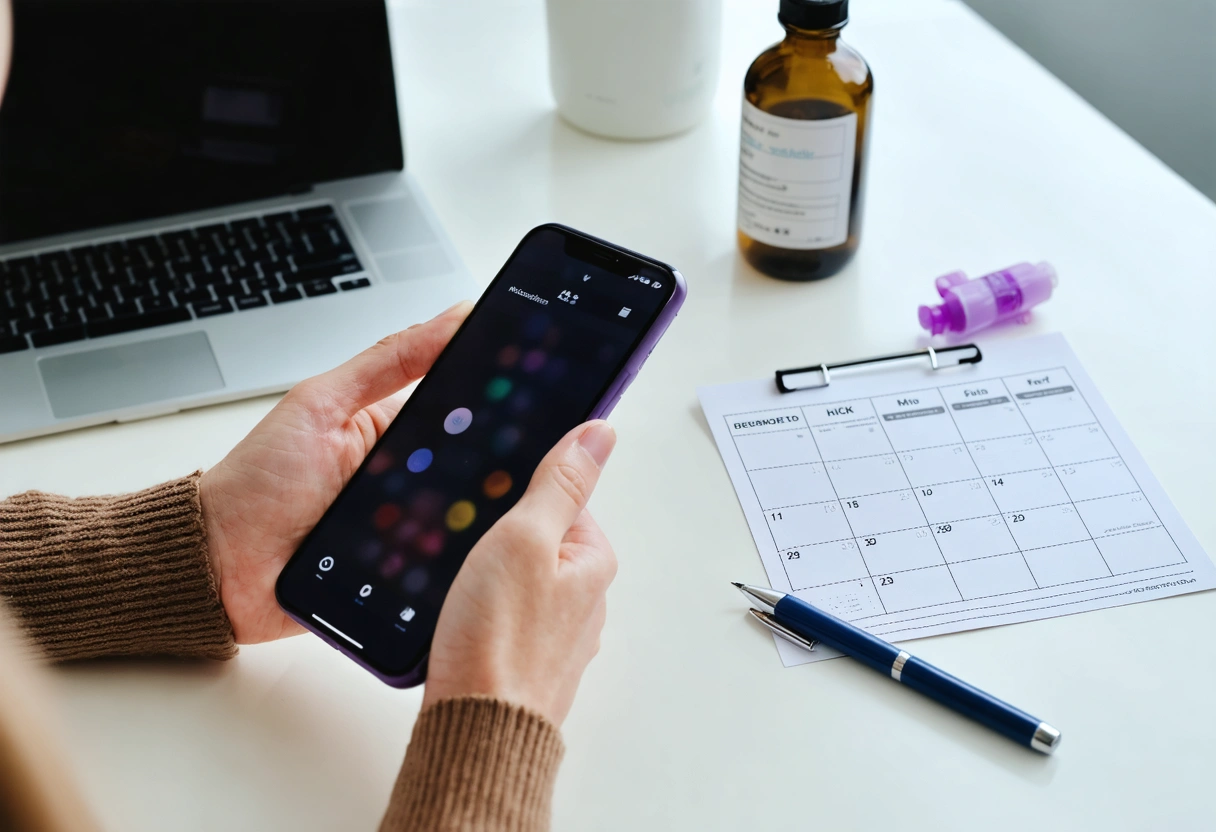
Many providers offer patient portals where you can view your health information, communicate with your healthcare team, and manage appointments. These platforms often include features that allow you to refill prescriptions, pay bills, and access educational materials about your health conditions.
Embracing Telehealth Services
Telehealth has become increasingly popular, offering a convenient option for consultations, especially for follow-up appointments or minor health concerns. This service allows you to connect with your healthcare provider via video calls, reducing the need for in-person visits.
Before a telehealth appointment, ensure you have a reliable internet connection and a device with a camera and microphone. Prepare for the appointment as you would for an in-person visit, with a list of questions and your medical history readily available.
The Importance of Lifestyle and Preventative Care
While consultations address immediate health concerns, adopting a proactive approach to your well-being is essential for long-term health. This includes making lifestyle changes and prioritizing preventative care measures.
Discuss with your healthcare provider any lifestyle modifications that could benefit your health, such as improving your diet, increasing physical activity, or quitting smoking. Preventative care, such as regular screenings and vaccinations, can help detect and prevent potential health issues early on.
Monitoring Your Health
Regularly monitoring your health outside of medical appointments is crucial for early detection of changes or potential problems. This might include tracking your blood pressure, blood sugar levels, or weight. Tools like fitness trackers and health apps can aid in keeping a close watch on your health metrics.
Discuss with your healthcare provider which metrics are most important for you to monitor based on your health conditions. They can recommend specific tools or devices that would be beneficial for your self-monitoring efforts.

Building a Strong Provider-Patient Relationship
The relationship you build with your healthcare provider can significantly impact the quality of care you receive. A trusting and open relationship facilitates better communication and understanding, leading to more personalized care.
Be honest and open with your provider about your health habits, concerns, and preferences. This transparency helps them tailor their advice and treatment plans to suit your lifestyle and goals.
The Value of Feedback
Providing feedback on your healthcare experience is valuable for both you and your provider. If you have concerns or suggestions, respectfully communicate them to your provider. Most healthcare facilities welcome patient feedback and use it to improve their services.
Consider participating in patient satisfaction surveys or writing reviews to share your experience. Positive feedback can reinforce good practices, while constructive criticism can lead to meaningful changes that benefit future patients.
Empowering Yourself in the Healthcare System
By taking these steps, you can approach your first consultation with confidence and a sense of preparedness. Remember that you are an active participant in your health journey, and your involvement is crucial for achieving the best outcomes.
As you navigate the healthcare system, continue to educate yourself, engage with your healthcare providers, and utilize technology to your advantage. These efforts will empower you to make informed decisions and maintain a proactive approach to your health. For further reading, explore resources such as the National Cancer Institute’s guide on managing care or the World Health Organization’s recommendations for a healthy diet, which provide valuable insights into managing your health effectively.
Need help with How to Prepare for Your First Consultation: A Guide for New Patients?