






Ditching Empty Calories: A Deep Dive into Nutrient-Dense Foods for Healthy Weight Loss
In a world where dietary trends come and go, the concept of nutrient-dense foods has stood the test of time, providing a sustainable path to healthful weight loss. Unlike the fleeting promises of fad diets, nutrient-dense foods offer a holistic approach to nutrition that supports not just weight loss, but overall well-being. This deep dive will unravel the significance of choosing foods rich in essential nutrients over those filled with empty calories, and how this choice can transform your health journey.
Understanding Empty Calories
Before we explore nutrient-dense foods, it’s crucial to understand what empty calories are. Empty calories refer to foods and beverages that provide energy primarily in the form of added sugars and unhealthy fats with little to no nutritional value. Common culprits include sugary drinks, baked goods, and processed snacks. These foods contribute to weight gain without providing the essential nutrients your body needs to function optimally.
The consumption of empty calories can lead to a range of health issues. According to the Harvard School of Public Health, these foods are often linked to increased risks of obesity, cardiovascular diseases, and metabolic disorders. Understanding the impact of these calories is the first step towards making informed dietary choices.
The Power of Nutrient-Dense Foods
Nutrient-dense foods are the antithesis of empty calories. They are rich in vitamins, minerals, and other nutrients relative to their calorie content. These foods not only help in maintaining a healthy weight but also ensure that the body receives the nutrients it needs to support various physiological functions.
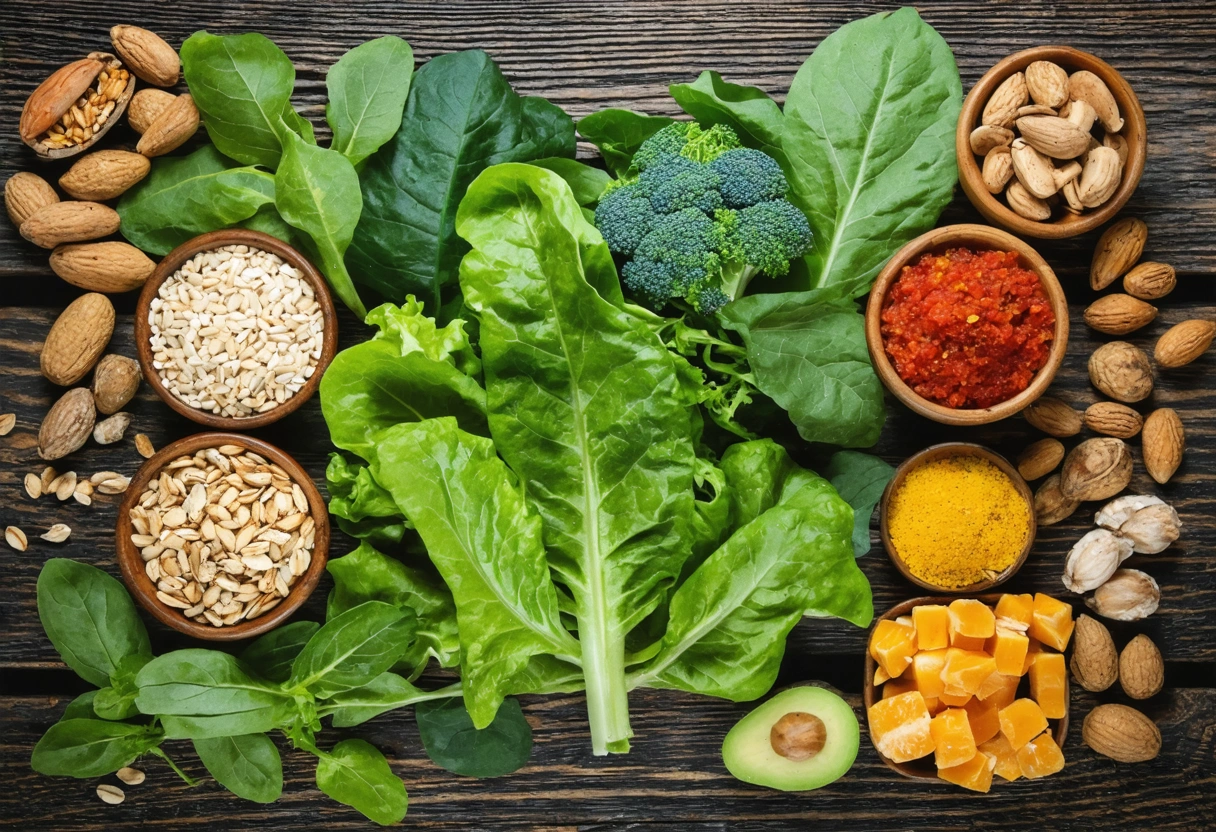
Examples of nutrient-dense foods include leafy greens, whole grains, lean proteins, and nuts. Incorporating these into your diet can lead to a plethora of health benefits. For instance, leafy greens like spinach and kale are loaded with iron and calcium, essential for bone health and energy metabolism. Meanwhile, whole grains such as quinoa and brown rice provide fiber that aids in digestion and promotes satiety.
How Nutrient-Dense Foods Aid in Weight Loss
One of the primary benefits of nutrient-dense foods is their ability to promote weight loss while ensuring that the body receives essential nutrients. Foods high in fiber and protein, such as legumes and lean meats, help you feel full longer, reducing the likelihood of overeating. This can be particularly beneficial in creating a calorie deficit, which is necessary for weight loss.
Moreover, nutrient-dense foods often have a lower energy density, which means they provide fewer calories per gram. This allows you to consume larger portions without consuming excessive calories. According to the Centers for Disease Control and Prevention, focusing on nutrient density can help reduce calorie intake while ensuring adequate nutrition.
Creating a Balanced Diet with Nutrient-Dense Foods
Integrating nutrient-dense foods into your diet doesn’t mean you have to give up on flavor or variety. A balanced diet involves a diverse array of foods that provide a spectrum of nutrients. Start by incorporating more fruits and vegetables into your meals. These foods are not only low in calories but also rich in antioxidants, which help combat oxidative stress and inflammation.
Protein should also be a staple in your diet. Opt for lean sources such as chicken, turkey, or plant-based alternatives like tofu and legumes. These foods support muscle growth and repair while keeping you satiated. Whole grains are another important component, providing essential carbohydrates for energy and fiber for digestive health.

For fats, choose healthy sources like avocados, olive oil, and nuts. These contain monounsaturated and polyunsaturated fats that can improve heart health. The American Heart Association recommends these fats for their role in reducing bad cholesterol levels.
Overcoming Challenges in Transitioning to Nutrient-Dense Foods
While the benefits of nutrient-dense foods are clear, transitioning from a diet high in empty calories can be challenging. One common hurdle is the craving for sugary and fatty foods that are often deeply ingrained in eating habits. To overcome this, it’s important to make gradual changes rather than drastic shifts. Start by replacing one empty-calorie food with a nutrient-dense alternative each week.
Meal planning can also be a powerful tool in this transition. By planning meals in advance, you can ensure that nutrient-rich foods are readily available, reducing the temptation to opt for less healthy choices. Additionally, exploring new recipes and cooking methods can make healthy eating more enjoyable and sustainable.
A Sustainable Approach to Healthy Eating
Embracing nutrient-dense foods in place of empty calories is a sustainable approach to weight loss and overall health. It involves making conscious food choices that prioritize nutritional value over caloric content. This not only supports a healthy weight but also enhances overall well-being, providing the body with the essential nutrients it needs to thrive.
By understanding the impact of empty calories and the benefits of nutrient-dense foods, you can make informed decisions that align with your health goals. Whether you’re looking to lose weight, boost energy levels, or improve your overall health, focusing on nutrient-dense foods is a step in the right direction.
For more information on making healthier food choices, consider exploring the resources available from ChooseMyPlate.gov, which offers guidance on creating balanced meals that support weight management and health.

Real-Life Success Stories: Inspiring Transformations
Real-life success stories highlight the transformative power of switching to nutrient-dense foods. Consider the case of Sarah, a busy working mother who struggled with weight management for years. By gradually replacing processed snacks and sugary drinks with fruits, vegetables, and lean proteins, Sarah managed to lose 30 pounds over six months. Not only did she achieve her weight loss goals, but she also reported improved energy levels and mental clarity. Her story underscores the importance of a balanced, nutrient-rich diet in achieving sustainable health outcomes.
Another inspiring example is that of Mike, a middle-aged professional dealing with high cholesterol and hypertension. By incorporating more whole grains, healthy fats, and plant-based proteins into his diet, Mike was able to lower his cholesterol levels significantly and reduce his reliance on medication. His journey illustrates how dietary changes can lead to measurable improvements in health markers, reducing the risk of chronic diseases and enhancing quality of life.
Understanding the Role of Micronutrients
While macronutrients like carbohydrates, proteins, and fats often take center stage in discussions about nutrition, micronutrients are equally important. These include vitamins and minerals that, although required in smaller amounts, play pivotal roles in health maintenance and disease prevention. Nutrient-dense foods are excellent sources of these essential micronutrients.
For instance, citrus fruits, bell peppers, and broccoli are rich in vitamin C, an antioxidant that supports immune function and skin health. Meanwhile, foods like spinach, lentils, and liver are good sources of iron, which is crucial for oxygen transport in the blood. Ensuring that your diet includes a variety of foods rich in these micronutrients can help prevent deficiencies and promote optimal health. The National Institutes of Health provides comprehensive information on the importance of micronutrients.
The Importance of Hydration in a Nutrient-Dense Diet
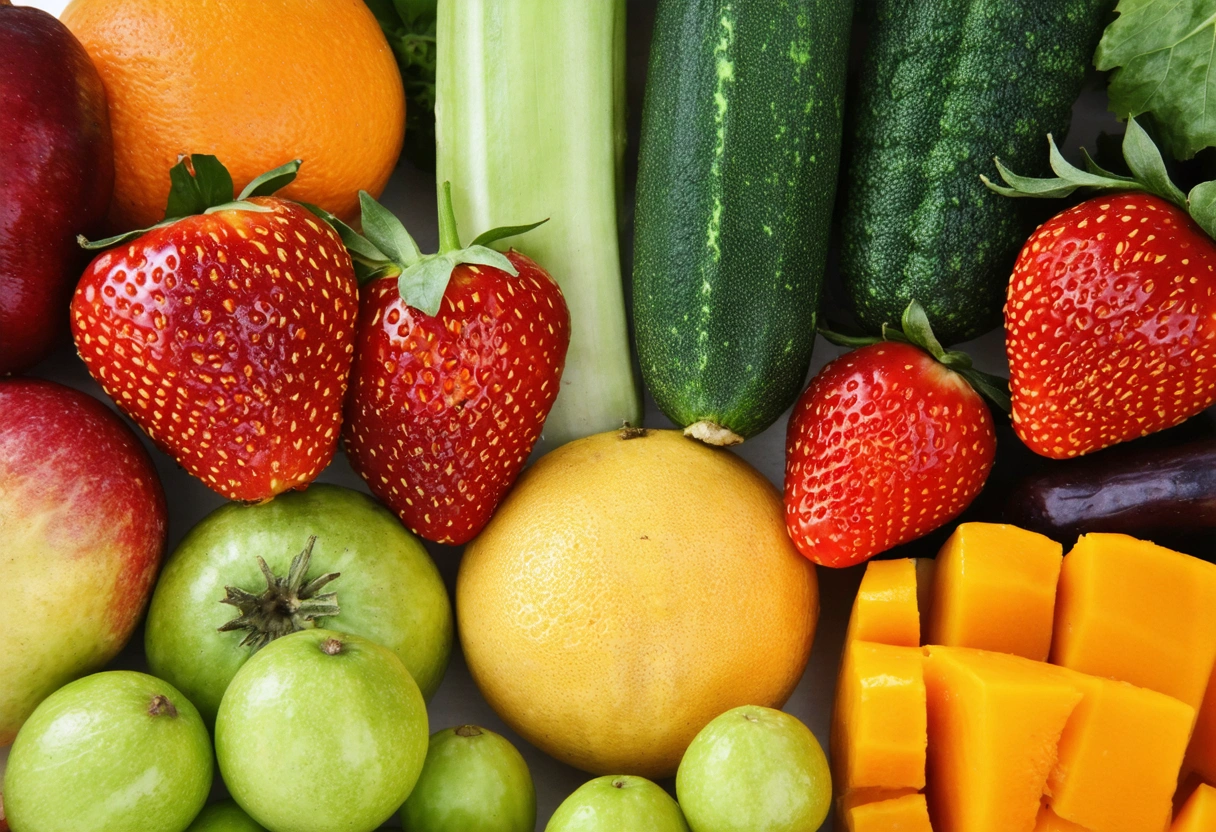
Hydration is often an overlooked aspect of a nutrient-dense diet, yet it is vital for overall health and weight management. Water plays a crucial role in digestion, nutrient absorption, and metabolic processes. Furthermore, staying hydrated can help control hunger and reduce the likelihood of overeating, as thirst is sometimes mistaken for hunger.
Incorporating water-rich foods like cucumbers, watermelons, and strawberries into your diet can contribute to your daily hydration needs while providing essential nutrients. Additionally, herbal teas and broths can be excellent low-calorie options for maintaining hydration. The Mayo Clinic offers guidelines on adequate daily water intake and tips for maintaining optimal hydration.
Addressing Common Misconceptions
Despite the clear benefits of nutrient-dense foods, several misconceptions can deter individuals from embracing this dietary approach. One common myth is that healthy eating is expensive. While certain nutrient-rich foods can be costly, there are plenty of affordable options, such as beans, eggs, and seasonal produce, that provide excellent nutritional value without breaking the bank. Planning meals and buying in bulk can further reduce costs.
Another misconception is that nutrient-dense diets are restrictive and bland. On the contrary, a focus on nutrient density encourages variety and creativity in meal planning. Experimenting with different spices, herbs, and cooking techniques can enhance the flavor of meals without added sugars or fats. Additionally, incorporating a range of foods from different cultures can add diversity and excitement to your diet.
Moving Forward: Sustainable Practices for Long-Term Success

Adopting a nutrient-dense diet is not just a temporary change but a lifestyle shift that requires commitment and mindfulness. Setting realistic, achievable goals can help maintain motivation and track progress over time. It’s also essential to practice self-compassion and recognize that occasional indulgences are a normal part of a balanced diet.
Support from family, friends, or a community can also play a significant role in maintaining dietary changes. Sharing recipes, dining experiences, and tips can foster a supportive environment and inspire others to embark on their own health journeys.
Lastly, ongoing education and staying informed about nutrition can empower individuals to make better food choices. Resources like the USDA’s Nutrition.gov offer valuable information and tools to support healthy eating habits and nutritional knowledge.
The Journey to Better Health
Transitioning from a diet filled with empty calories to one abundant in nutrient-dense foods is a powerful step towards better health and well-being. It involves not just a change in eating habits, but a shift in mindset towards valuing quality over quantity, nourishment over mere satisfaction.
As you embark on this journey, remember that small, consistent changes can lead to significant results. Whether it’s choosing a fruit over a candy bar, or cooking a homemade meal instead of ordering fast food, each choice contributes to your overall health. Embrace the variety, enjoy the flavors, and take pride in the positive impact you’re making on your health.
By prioritizing nutrient-dense foods, you’re not just working towards a healthier weight, but laying the foundation for a healthier, more vibrant life. This journey is rewarding and transformative, paving the way for a future where optimal health is within reach for everyone.
Need help with Ditching Empty Calories: A Deep Dive into Nutrient-Dense Foods for Healthy Weight Loss?