




Choosing the right snacks can make a meaningful difference in how you feel between meals, especially when your goal is to manage your weight in a healthy, sustainable way. The best options are not simply low in calories. They also help steady your appetite, support energy levels, and make it easier to avoid impulsive eating later in the day.
In nutrition and healthy eating, a smart snack is one that combines satisfaction with nourishment. Instead of relying on willpower alone, you can use protein, fiber, healthy fats, and volume from water rich foods to stay fuller for longer while still supporting a calorie conscious eating pattern.
Why Fullness Should Guide Your Snack Choices
Many people think of snacking as something to avoid during weight loss, but snacks can be useful when they are planned with purpose. Going too long without eating may lead to intense hunger, cravings, and larger portions at the next meal. A balanced snack can help bridge the gap between meals and keep your appetite more manageable.
Fullness, also called satiety, is influenced by more than calories alone. Foods that contain protein and fiber generally take longer to digest, which can help slow the return of hunger. Snacks with some healthy fat can also improve satisfaction, while foods with a high water content, such as fruit and vegetables, add volume without making the snack feel heavy.
This matters because a snack that is too small or mostly made of refined carbohydrates may not hold you for long. For example, a handful of candy or plain crackers may provide quick energy, but it can also leave you searching for more food soon afterward. A more balanced choice, such as Greek yogurt with berries or hummus with crisp vegetables, gives your body nutrients that support steadier hunger control.
The Building Blocks of a Filling Weight Conscious Snack
A useful way to build healthy snacks for weight loss is to include at least two satisfying elements. Protein is one of the most important because it supports muscle maintenance and helps slow digestion. Good snack friendly protein sources include cottage cheese, Greek yogurt, boiled eggs, edamame, tuna, turkey slices, tofu, and roasted chickpeas.
Fiber is another key part of a filling snack because it adds bulk and supports digestive health. Fruits, vegetables, beans, lentils, oats, chia seeds, flaxseed, and whole grain options can all help increase fiber intake. When protein and fiber appear together in the same snack, the result is often more satisfying than choosing either one alone.
Protein Plus Fiber Combinations
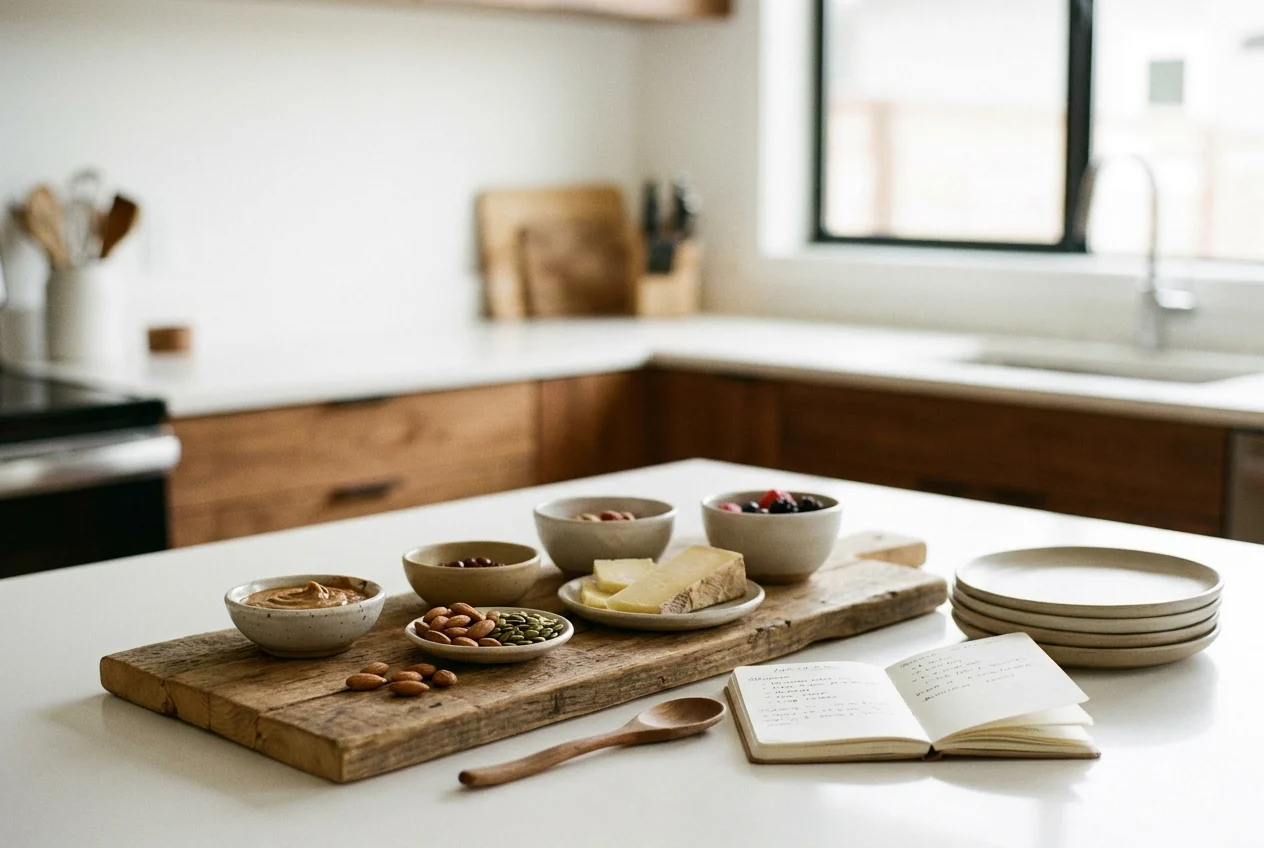
Pairing protein with fiber can turn a simple snack into something that feels more complete. Examples include apple slices with peanut butter, cottage cheese with berries, hummus with carrots and cucumber, or a small bowl of plain Greek yogurt topped with chia seeds. These combinations offer texture, flavor, and staying power.
Portion size still matters, especially with calorie dense foods like nut butters, trail mix, cheese, and seeds. However, these foods do not need to be avoided. When used thoughtfully, they can make snacks more enjoyable and help prevent the deprived feeling that often makes healthy eating harder to maintain.
Snack Ideas That Keep Calories Reasonable and Hunger Low
One of the easiest ways to make snacks support weight loss is to choose foods that offer a large portion size for a moderate number of calories. This is where water rich foods become especially helpful. Fresh fruit, crunchy vegetables, broth based soups, and yogurt can make a snack feel abundant without relying on highly concentrated calories.
A snack plate with sliced bell peppers, cherry tomatoes, cucumber rounds, and a few tablespoons of hummus can be far more filling than a small bag of chips, even if the calories are similar or lower. The difference comes from volume, chewing time, fiber, and the presence of protein from the chickpeas. These factors work together to help the brain register that you have eaten something substantial.
Greek Yogurt With Fruit and Seeds
Plain Greek yogurt is a strong choice because it is rich in protein and easy to customize. Add berries for fiber and natural sweetness, then sprinkle in a teaspoon or two of chia seeds, ground flaxseed, or chopped nuts. This combination provides creaminess, crunch, and slow digesting nutrients that help extend fullness.
For the best balance, choose plain yogurt rather than heavily sweetened varieties. If you want extra sweetness, add sliced banana, cinnamon, vanilla extract, or a small drizzle of honey. This gives you control over flavor without turning a nourishing snack into a dessert disguised as a health food.
Apple Slices With Nut Butter
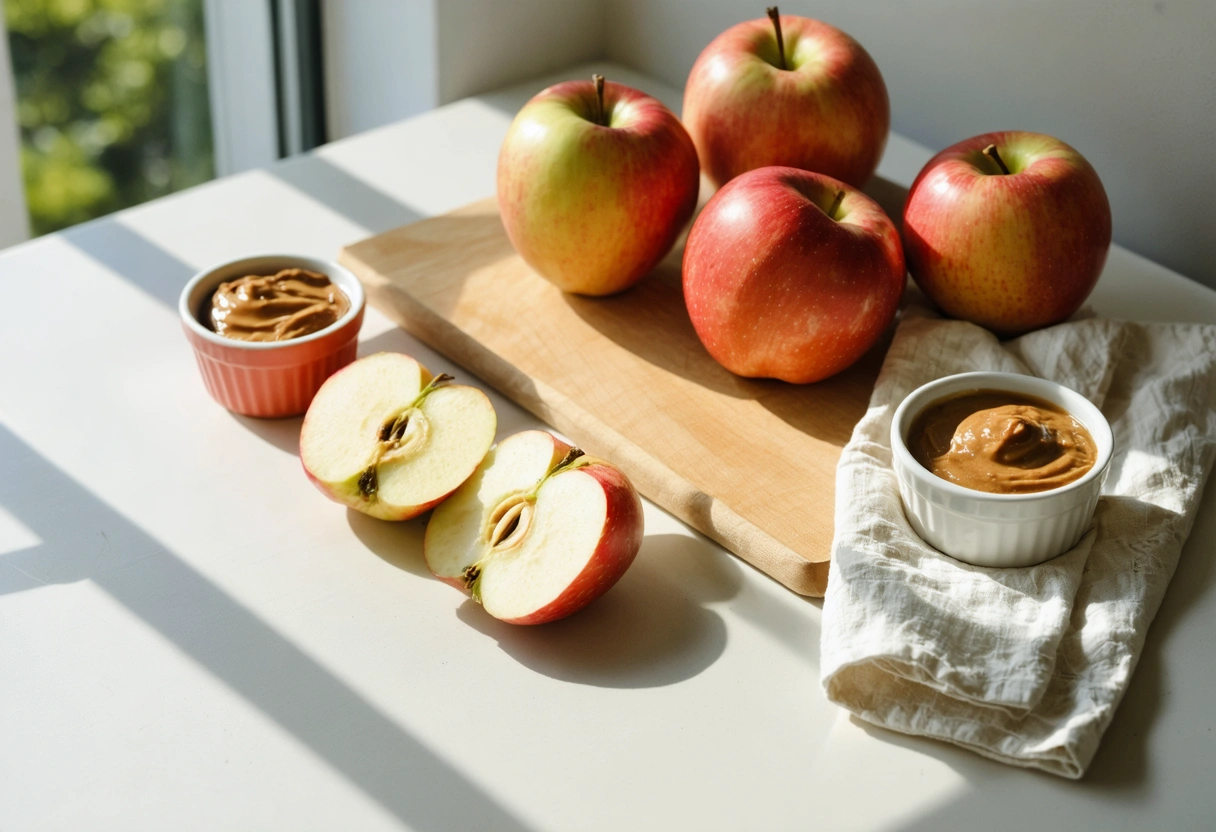
An apple on its own is refreshing and fiber rich, but pairing it with nut butter makes it much more satisfying. Peanut butter, almond butter, and cashew butter provide healthy fats and a small amount of protein, which helps slow the digestion of the fruit’s natural sugars.
The key is portion awareness. A tablespoon of nut butter can be enough to make the snack feel indulgent and filling. Slice the apple thinly so the nut butter goes further, and consider adding cinnamon for a sweet flavor without extra sugar.
Cottage Cheese With Savory Toppings
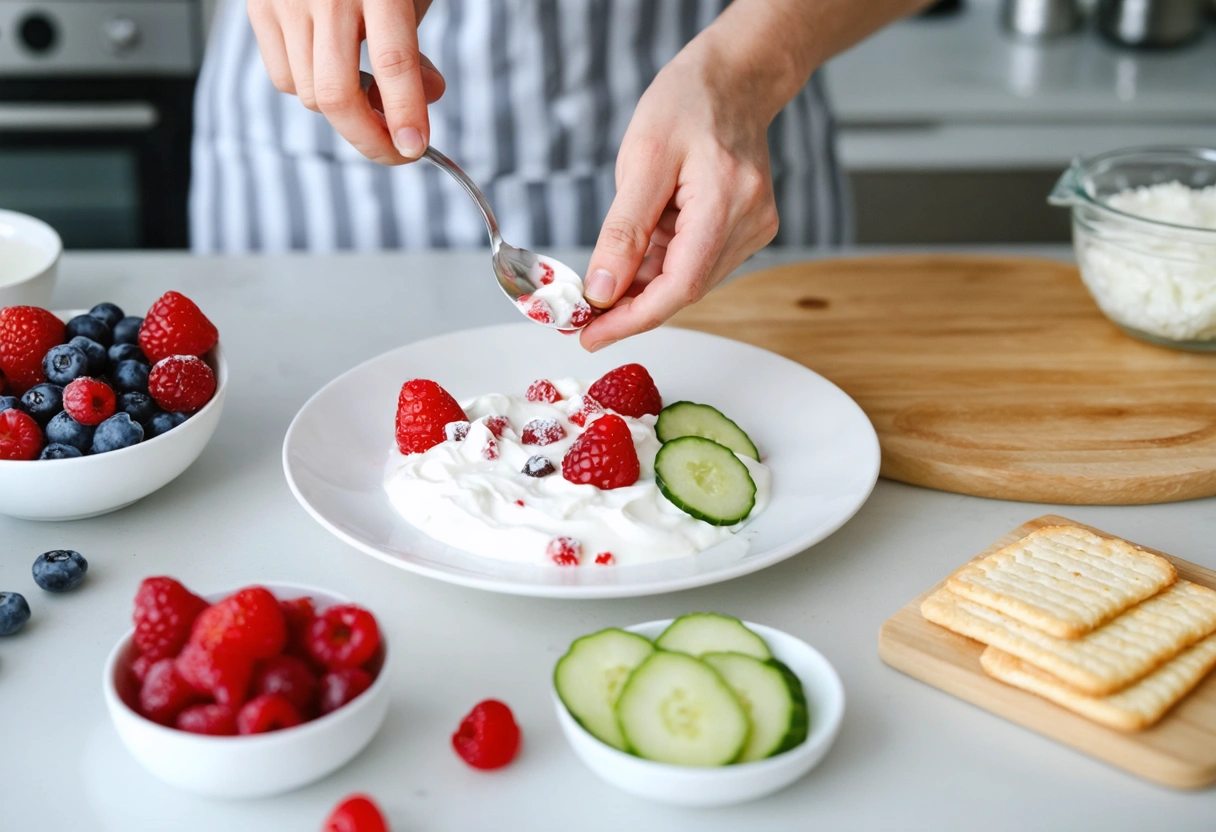
Cottage cheese is often overlooked, but it is one of the most protein dense snack foods available. It can be eaten sweet with fruit, but savory versions can be even more satisfying for people who crave salty foods. Try it with cracked black pepper, chopped cucumber, cherry tomatoes, herbs, or a spoonful of salsa.
This snack works well because it feels like a mini meal rather than a quick bite. If you prefer a smoother texture, blend cottage cheese into a creamy dip and use it with raw vegetables or whole grain crackers. This approach delivers protein while making the snack more enjoyable and versatile.
Crunchy Snacks That Are Better Than Empty Calories
Crunch is one of the most common reasons people reach for snack foods, and ignoring that preference can backfire. If you enjoy crunchy foods, it is smart to keep nutritious crunchy options available so you do not feel limited to chips, pretzels, or crackers made mostly from refined flour.
Air popped popcorn is a standout option because it is a whole grain with impressive volume. A few cups can feel like a generous serving, especially when seasoned with spices, nutritional yeast, smoked paprika, garlic powder, or a light sprinkle of Parmesan. The goal is to add flavor without relying on heavy butter or excessive oil.
Roasted chickpeas are another excellent choice. They contain fiber and plant based protein, and they can be seasoned in many ways. Try chili powder and lime, curry spices, ranch style herbs, or cinnamon with a touch of cocoa powder. They are more calorie dense than raw vegetables, but they are far more filling than many packaged crunchy snacks.
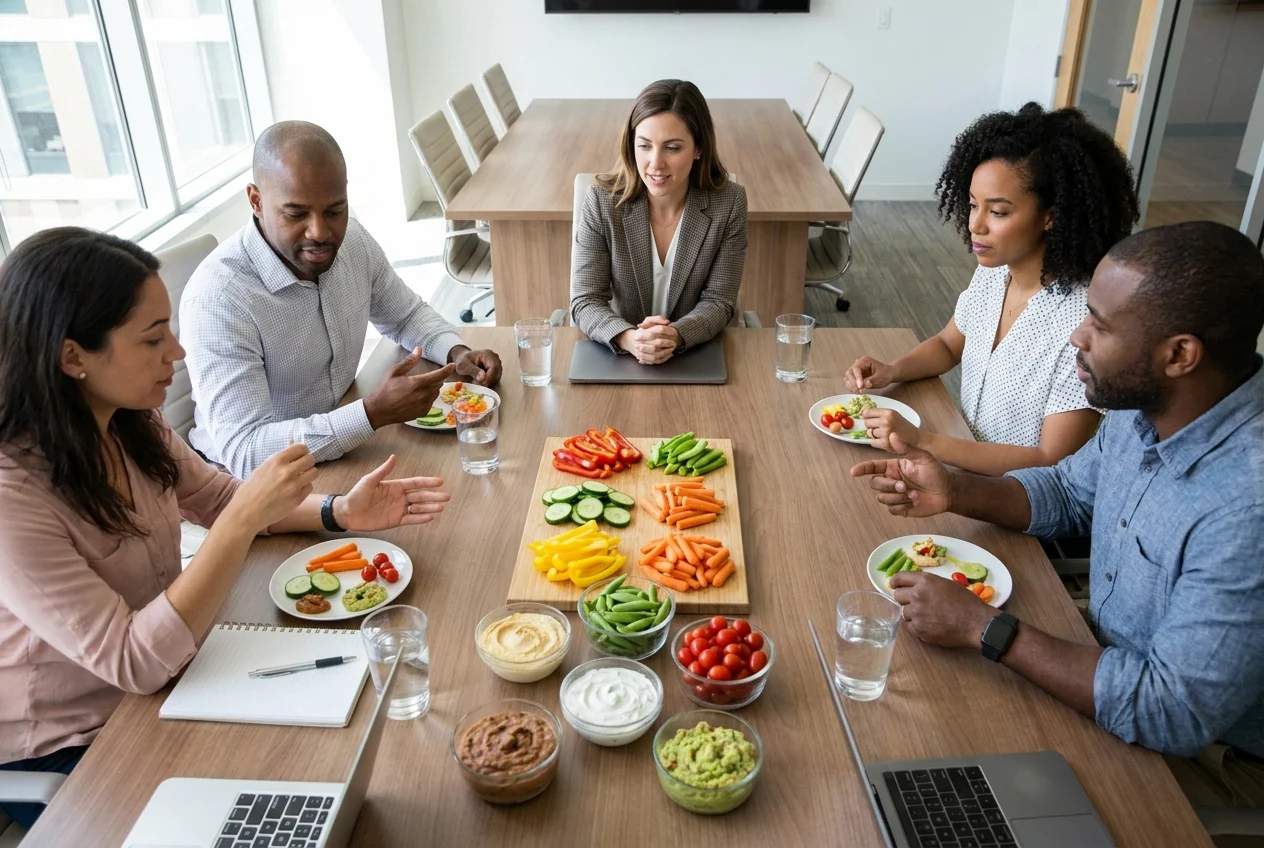
Raw vegetables can also become more exciting when paired with a flavorful dip. Carrots, snap peas, radishes, celery, jicama, and bell peppers all offer crisp texture. Pair them with hummus, Greek yogurt dip, guacamole, or bean dip to add protein or healthy fat. This turns vegetables from a side thought into a snack you actually look forward to eating.
Sweet Snacks That Do Not Trigger a Hunger Spiral
Craving something sweet does not mean you have failed at healthy eating. Sweet flavors can fit into a weight loss supportive diet when they come with nutrients that promote fullness. The main challenge is avoiding sweets that are mostly sugar and refined starch, since those often digest quickly and leave you wanting more.
Fruit is the most natural starting point. Berries, oranges, apples, pears, grapes, kiwi, and melon bring sweetness along with water, fiber, vitamins, and antioxidants. To make fruit more filling, pair it with protein or fat. Examples include strawberries with Greek yogurt, pear slices with cheese, or orange segments with a small handful of pistachios.
Frozen fruit can be especially useful for evening snacking. Frozen grapes, mango chunks, or banana slices take longer to eat and can feel like a treat. A simple smoothie made with protein rich yogurt, frozen berries, spinach, and a little water or milk can also be satisfying, though it is best to keep smoothies thick and spoonable rather than turning them into oversized drinks.
If you enjoy chocolate, choose a small portion and pair it wisely. A square or two of dark chocolate with almonds or berries can feel satisfying without becoming a large dessert. The pairing matters because the fat, fiber, and protein help slow the experience down and reduce the chance of chasing sweetness with more sweetness.
Smart Snacks for Busy Days and On the Go Eating
Weight loss can become harder when your schedule is unpredictable. If you wait until you are extremely hungry, the most convenient option often wins, and convenient options are not always the most nourishing. Preparing portable snacks makes it easier to stay consistent even when your day does not go as planned.
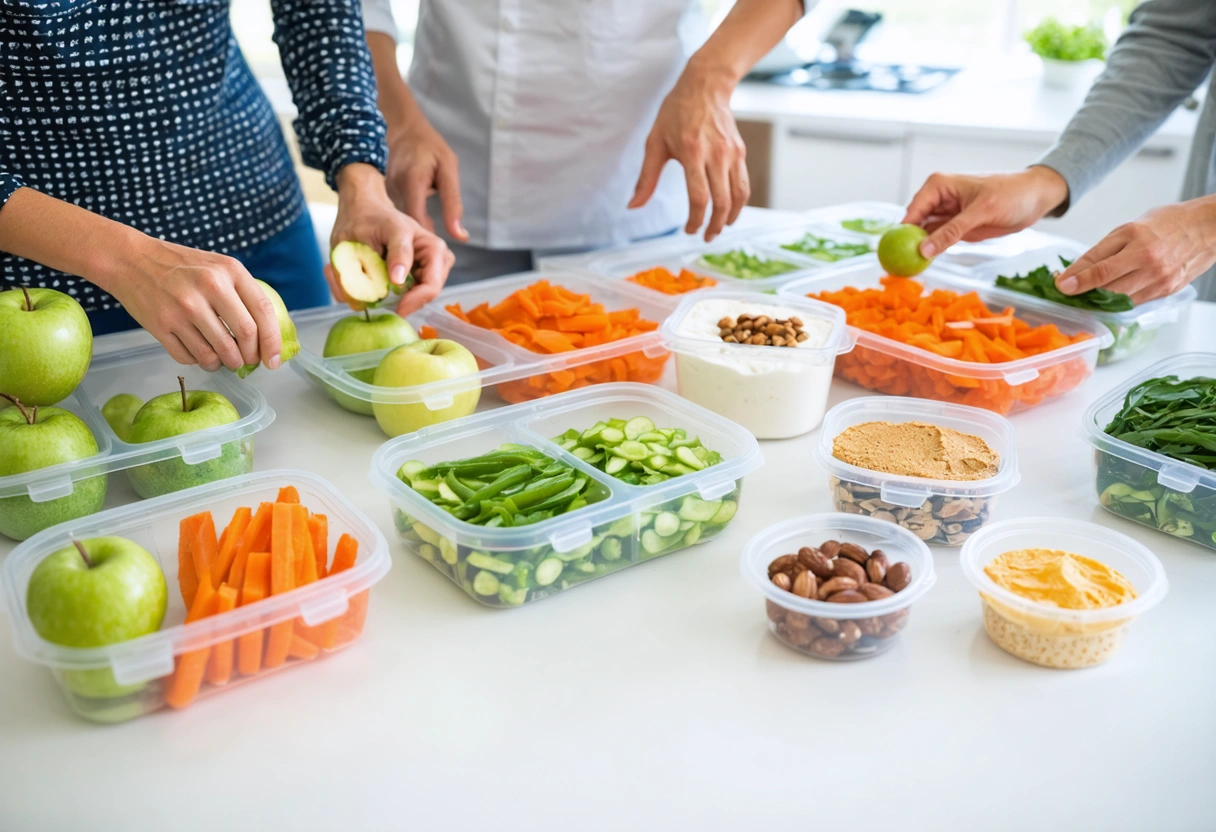
Good portable choices include boiled eggs, string cheese, roasted edamame, low sugar protein bars, tuna pouches, single serve hummus cups, fruit, whole grain crackers, and small packets of nuts. The best option depends on your preferences, storage access, and how long the snack needs to last without refrigeration.
When choosing packaged snacks, read the ingredient list and nutrition panel with a practical eye. Look for protein, fiber, and moderate added sugar. A snack bar with plenty of calories but very little protein or fiber may not keep you full for long. On the other hand, a bar that contains nuts, seeds, oats, or a quality protein source can be useful when fresh food is not available.
It also helps to pre portion calorie dense snacks. Nuts are nutritious, but eating straight from a large container can make portions difficult to judge. Pack a small handful into a container or bag, then pair it with fruit for a more filling snack.
How Timing and Mindful Eating Affect Snacking Success
The timing of your snack can influence how helpful it is. A midmorning snack may be useful if breakfast is early or light, while an afternoon snack can prevent the common late day hunger surge that leads to grazing before dinner. The goal is not to snack constantly, but to use
Need help with Healthy Snacks That Support Weight Loss Without Leaving You Hungry?